Bilingual Spanish learning · Ages 2–5
Raise a bilingual child — even if you're not fluent.
A Montessori-aligned Spanish curriculum + free printables for kids ages 2–5. Built by a bilingual SLP for parents who want a slower, more intentional way to grow.
Join hundreds of parents raising bilingual kids — free to start.
Where to start
Pick the path that fits your family.
🌱
I'm just starting
Get a free Sample Week of bilingual Spanish — five words, everyday routines, and real-photo flashcards — plus 5 more SLP-built printables.
Get the free Sample Week → Most popular🌿
I want a full curriculum
A 12-month, SLP-designed Spanish curriculum with weekly lessons, vocab cards, and parent guides.
Explore the 12-month plan →📖
I have questions first
Read SLP-written guides on bilingual milestones, OPOL, screen time, and more.
Browse the blog →Why an SLP?
Most bilingual programs are written by language teachers.
Palabra Garden is written by a Speech-Language Pathologist.
Speech-Language Pathologists are licensed clinicians trained in how toddlers actually acquire language — the order words come in, why early routines matter more than flashcards, how to recognize true delay vs. normal bilingual mixing. It's a clinical lens, not a teaching one.
That difference is the whole curriculum. Every weekly lesson, every phrase order, every parent script — built on the same evidence-based techniques used in clinic.
Read more about Lindsey →Lindsey Carleton
- M
MA, CCC-SLP
Master's degree, ASHA-certified clinical credential
- 11
11+ years of clinical experience
Working with bilingual and monolingual families across hospital + outpatient settings
- B
Bilingual herself — learned the way you would
Not a heritage speaker. Learned through college + healthcare work. So the curriculum is built for parents like her.
- T
Toddler mom
Raising her own bilingual child with the same routines the curriculum teaches.
Our approach
A garden, not a curriculum factory.
Built by a Speech-Language Pathologist for families who want to slow down and grow with their kids.
Sensory, not screen-based
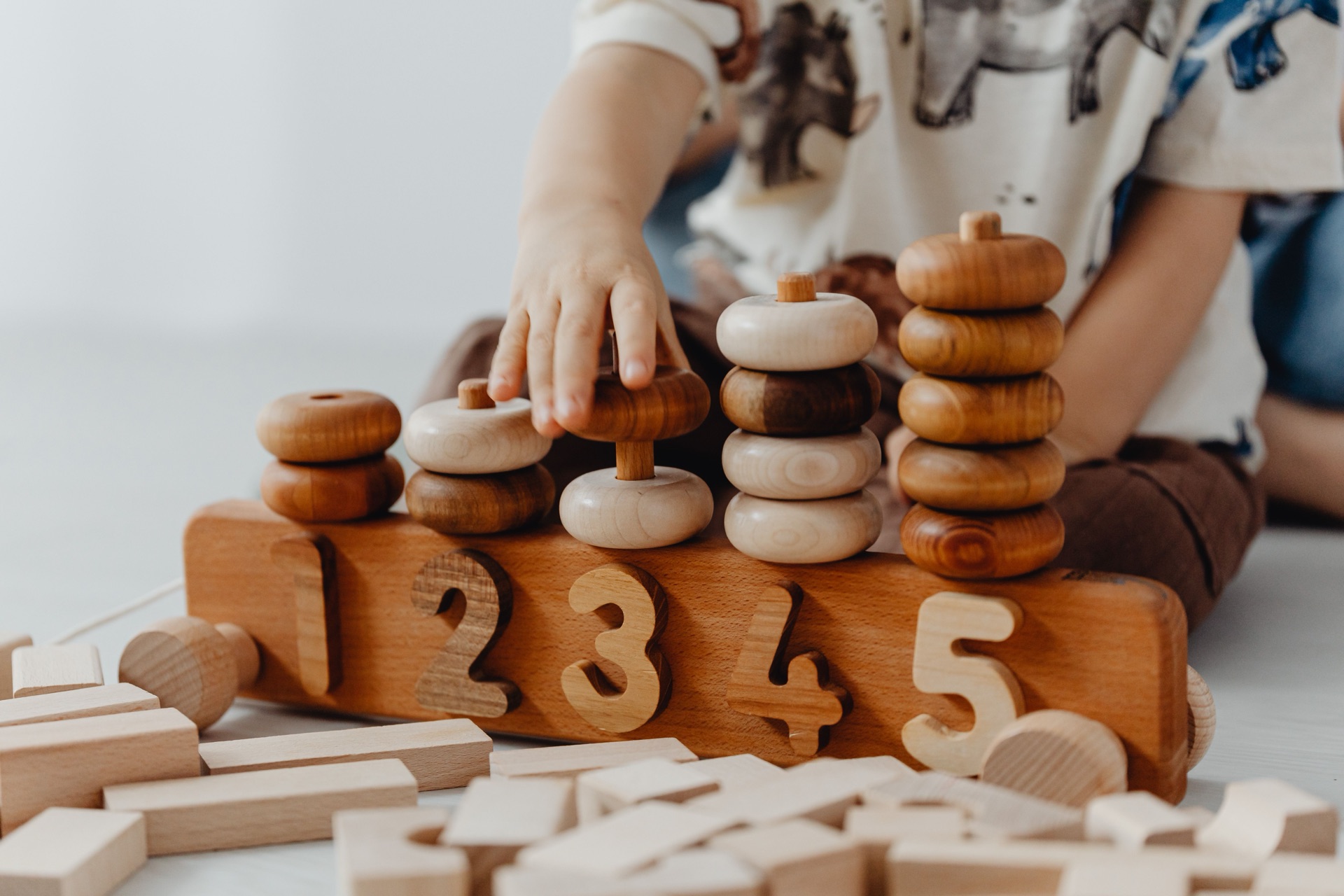
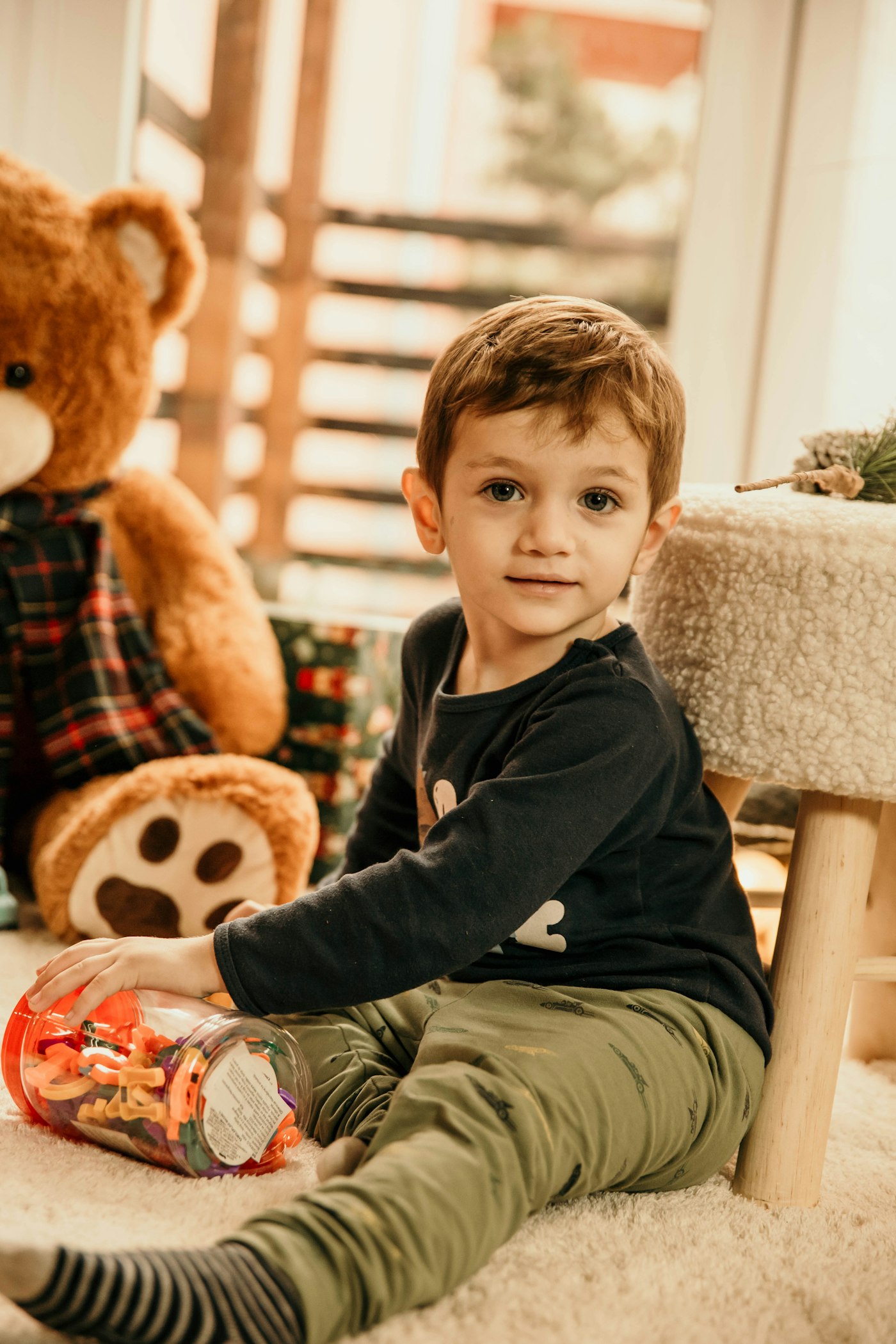
Tactile materials and real-world objects, not flashcards or screens. Children learn language through their hands.
Bilingual, not overwhelming
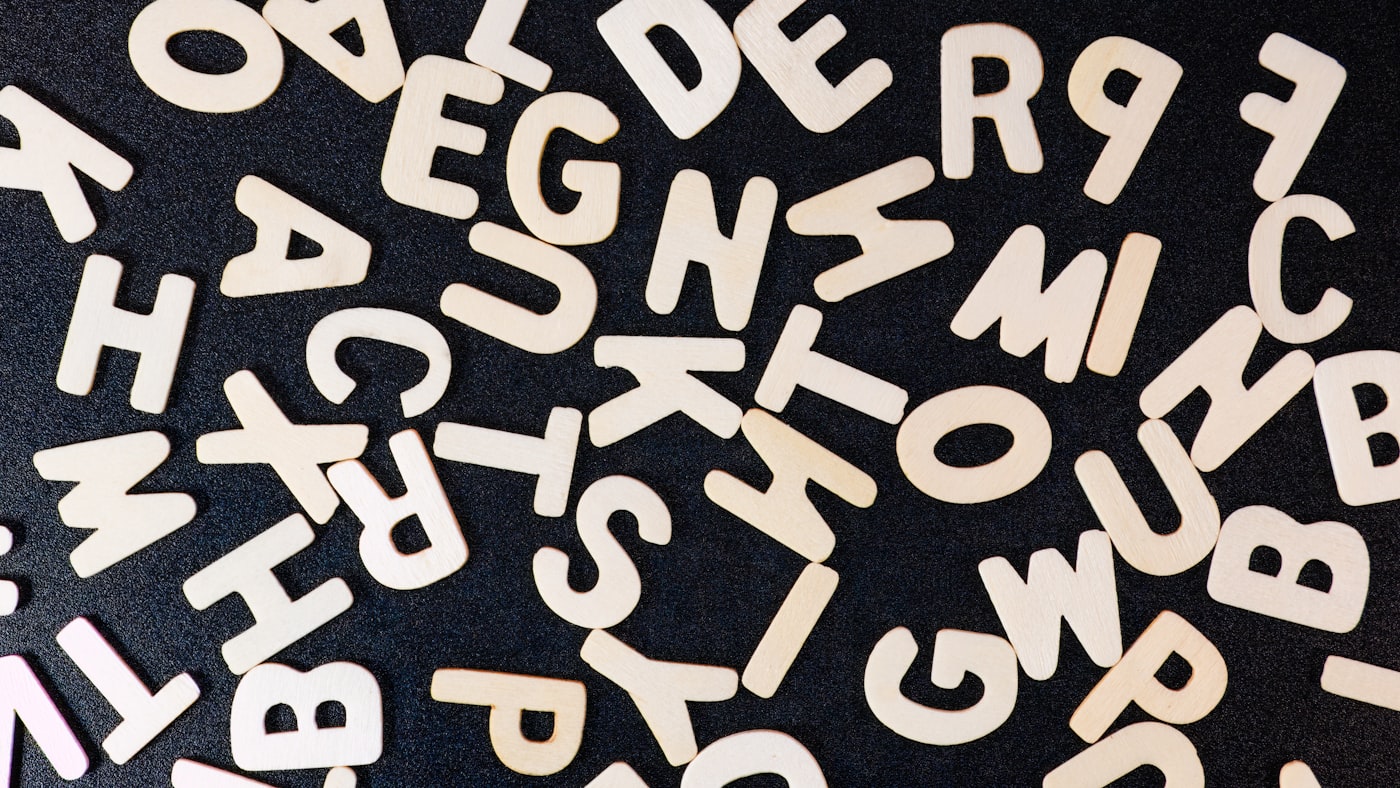
A gentle 12-month rhythm in English and Spanish, with parent guides written for non-Spanish speakers too.

Slow, not scattered
One small invitation a week, built around the Montessori sensitive periods. No drills. No anxiety.
Loved by parents and educators
"I’d recommend this! It seems to be really thorough and easy to navigate."
"Palabra Garden helped me feel confident guiding Spanish at home without feeling overwhelmed. It’s structured but so peaceful."
"I love that it focuses on real conversation instead of just flashcards. My daughter is actually using the words naturally."
"This feels like Montessori meets intentional bilingual parenting. It’s exactly what I’ve been looking for."
"The rhythm and repetition framework makes it simple to stay consistent."
"It’s the first bilingual resource that didn’t make me feel behind."
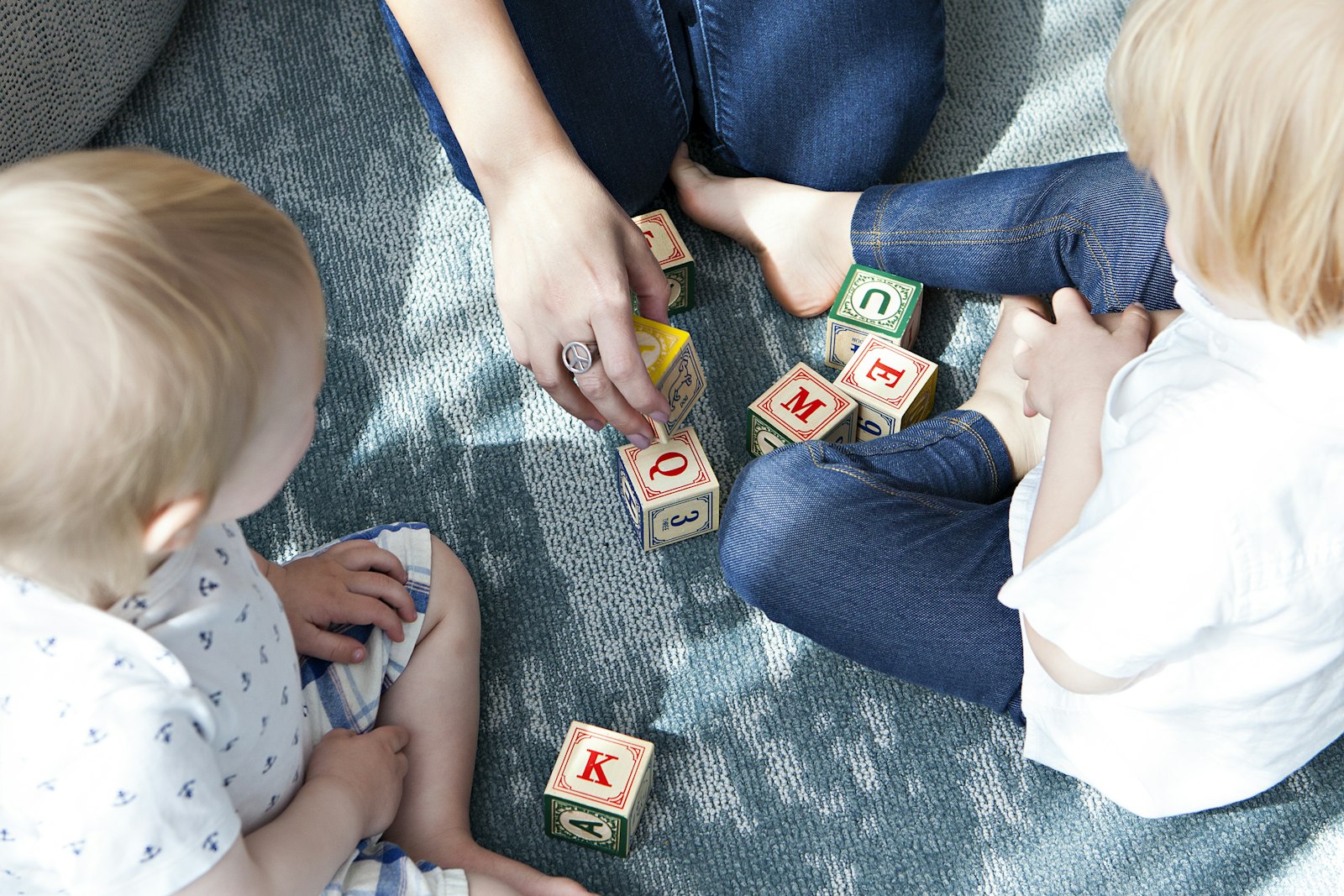
Palabra Garden 12-month Curriculum
SLP-built · Montessori-inspired · Ages 2–5
$250A 12-month, Montessori-inspired bilingual curriculum for ages 2–5. Weekly lessons, vocab cards, Montessori shelf guide, and parent scripts — for parents who aren't fluent in both languages.
Our story
Built by a bilingual SLP and toddler mom.
As a bilingual Speech-Language Pathologist with over a decade of experience — and a fellow toddler mom — I understand how important early speech and language development is. It sets the foundation for everything that comes after, socially and academically.
Palabra Garden is a functional, evidence-based, child-led curriculum designed to support English and Spanish learning right from the start. The parent guide ensures you do not need to know both languages fluently to lead your child confidently.
"To cultivate mindful bilingual communication through intentional, nurturing, and slow-paced early learning experiences."
Read more about our story →Inside the garden
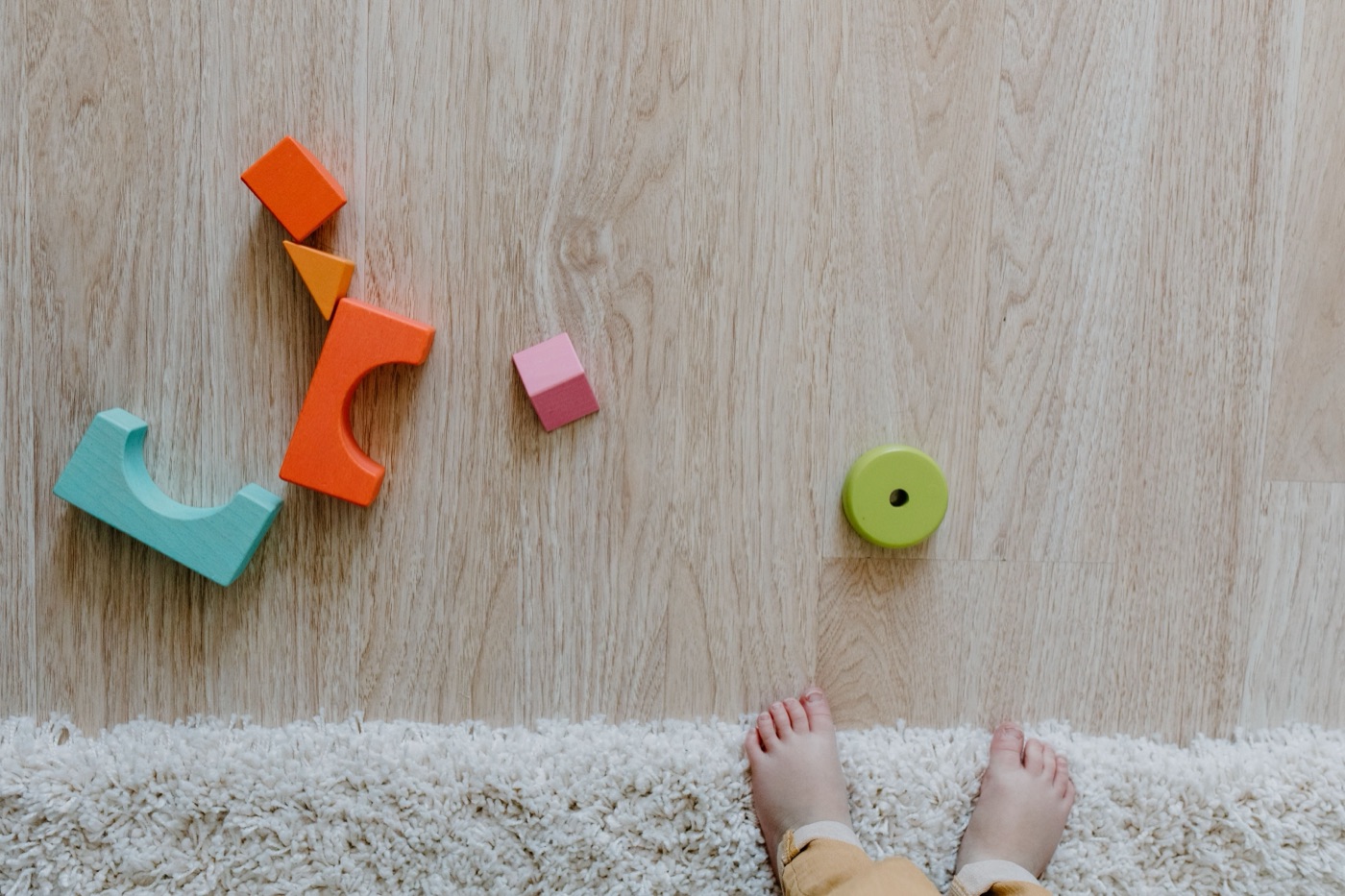
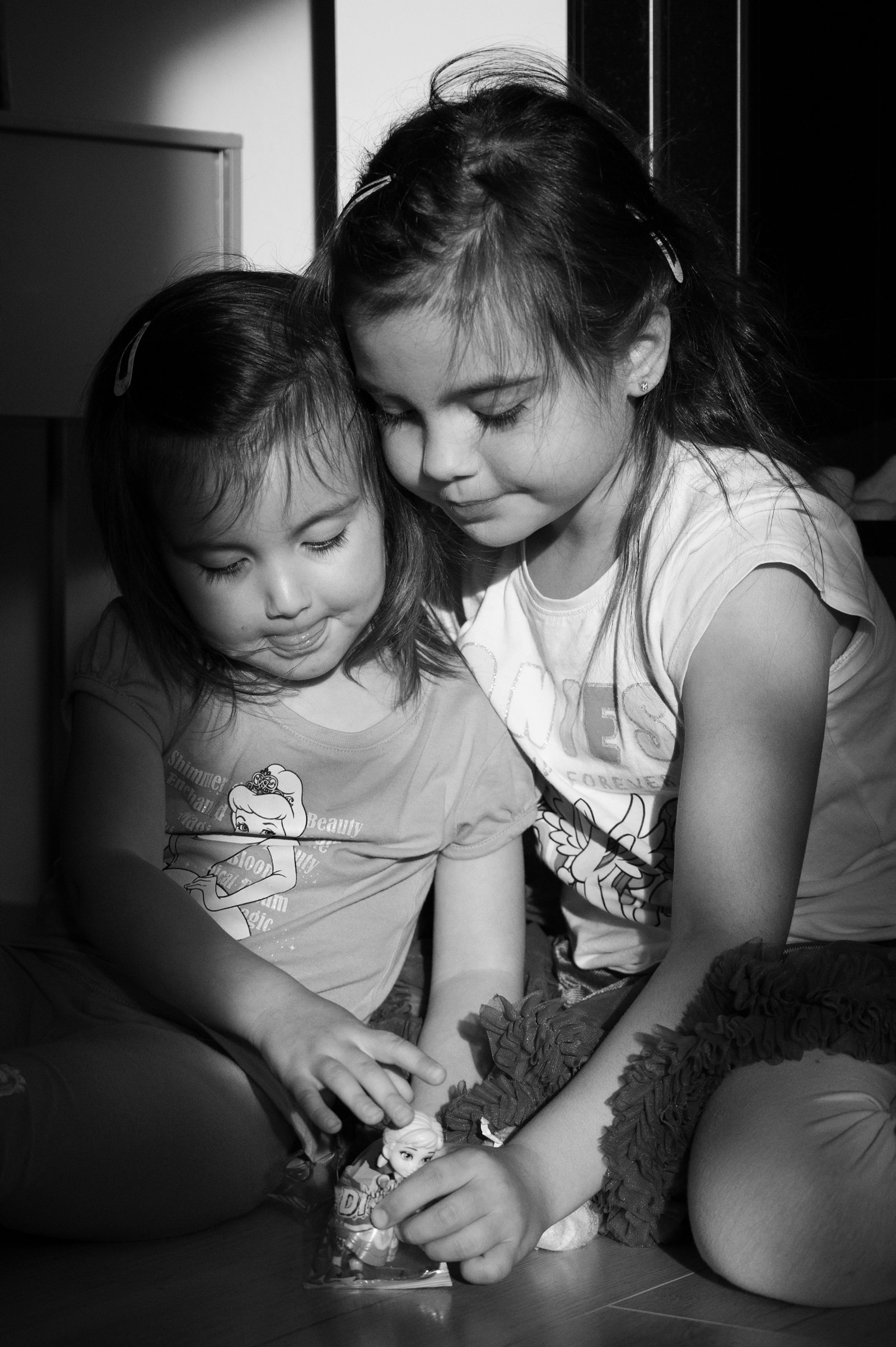
A glimpse of what daily practice looks like.
Who it’s for
Made for the families we know.
Palabra Garden is for parents, caregivers, and educators who believe language is more than vocabulary — it is connection. It is for families raising bilingual children who want to be intentional without feeling overwhelmed. For the mother who wants to nurture communication in everyday moments. For the homeschool parent seeking structure that still feels gentle and child-led. For the Montessori-aligned home that values rhythm, simplicity, and respect for the child.
It is for children ages 2–5 who are naturally curious, absorbing language through play, repetition, and meaningful interaction. For little ones who thrive in calm, predictable environments. For families who want to build expressive language, confidence, and deep understanding in both languages — slowly, beautifully, and with purpose.
Palabra Garden supports you with clear guidance, thoughtful activities, and practical tools so you can feel capable, prepared, and rooted as you cultivate communication at home.
New · Opening soon
Want a hand, one-on-one?
I’m opening a limited number of 1:1 consultations — a 45-minute call focused on your family’s goals and questions, with practical, evidence-based guidance from a licensed SLP (parent coaching and education, not therapy). Join the waitlist to be first to book.
Join the waitlist →From the garden

Carving Calabazas — A Bilingual Family Activity With Vocabulary
A bilingual pumpkin-carving guide for toddlers ages 2–5. Spanish vocab, scripted phrases for parents who aren't fluent, and the safety notes nobody tells you about.
Lindsey Carleton, MA, CCC-SLP ·
How to Decode a Bilingual Speech Evaluation Report
An SLP's guide to reading your bilingual child's speech evaluation report — what each section means, which findings are normal bilingual development, and when to push back on a monolingual evaluator.
Lindsey Carleton, MA, CCC-SLP ·

Dyslexia Is More Than Reading: Memory, Vocabulary, and Word-Finding
A mom asked why her child's dyslexia seems to affect memory and word-finding, not just reading. An SLP explains what dyslexia actually is, why it reaches past decoding, and what it means for bilingual families.
Lindsey Carleton, MA, CCC-SLP ·
Common questions
Asked by parents like you.
- Can I raise a bilingual child if I'm not fluent in Spanish?
- Yes. Most Palabra Garden families start without Spanish fluency. The curriculum and free resources include English alongside every Spanish phrase, with phonetic pronunciation help in the parent guides. You'll learn alongside your child.
- What age is the curriculum for?
- Ages 2–5 — the absorbent language years when children naturally acquire a second language with minimal effort. Some families adapt down to 18 months (using just vocabulary cards) or stretch up to age 6.
- How much Spanish does my toddler need to hear to become bilingual?
- Research suggests roughly 20–30% of total daily input in the minority language is the threshold for active bilingualism. Palabra Garden's 15-minute-a-day rhythm hits this when woven into existing routines (meals, bedtime, play).
- Will being bilingual delay my child's speech?
- No — this is a well-documented myth. Bilingual exposure does not cause speech delays. Children who hear two languages from a young age develop on the same broad timeline as monolingual peers.
- Do I need to buy anything to get started?
- No. The free printable phrase cards on the freebie page are a complete starting point — designed for one meal a day. The 12-month curriculum is for families who want a structured year-long path.
- Who is Palabra Garden built by?
- Palabra Garden is created by Lindsey Carleton, MA, CCC-SLP, a bilingual Speech-Language Pathologist with clinical experience in bilingual development. Every lesson uses language-acquisition techniques used by SLPs with real families.
- Do you offer 1:1 help or consultations?
- Yes — I'm opening a limited number of 1:1 parent consultations soon. It's a 45-minute call focused on your family's goals and questions: practical, evidence-based coaching from a licensed SLP to help you establish a strong bilingual foundation — not therapy. Join the waitlist on the Work With Me page to be first to book.
More questions? Email Lindsey · or browse the blog for deeper guides.